Processor evaluation: How to select the Right CPU:
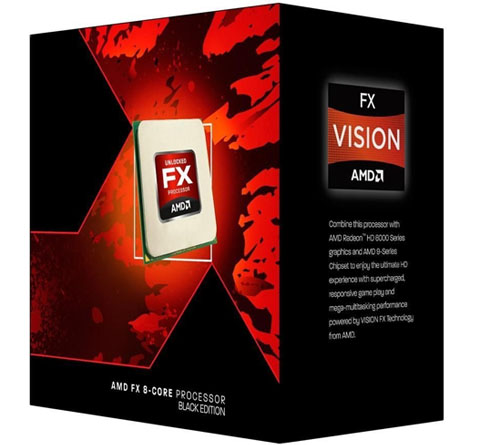 Your computer's processor presents most of the genuine work of computing. The processor works out how many things your computer can do at one time, and how fast it will do those things. Since this component becomes one of your computer's characterising characteristics, it's significant that you understand the basics of a making a solid processor comparison to have a thriving buying know-how.
While nearly all computers arrive with some kind of processor, you can subsequent upgrade the constituent in most desktop computers. This processor buying direct will help you realise the specifications of your computer's promise new “brain” and help select the right one.
Find The Right Price:
Your first step in matching processors is to select your cost variety, which could be as little as $100 or as much as $1,000.
We'll converse about a few of the components that work out pace, power, and characteristics later in this processor buying direct, but having a ballpark number will help you get begun making some processor comparisons.
Get Enough centres:
The more cores your processor brags, the more computing functions it can handle simultaneously. That doesn't exactly signify how many programs you have running-- the number of purposes we're referring to are the underlying computations and individual jobs the computer does in the backdrop.
Don't bewilder the processing centres with Intel's specifically-named centre brand of processors. All processors have one or more cores.
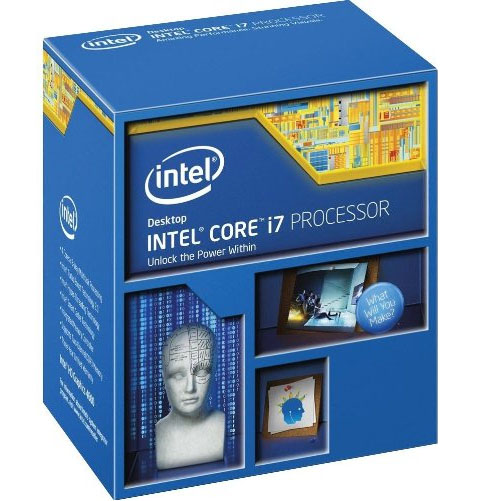 While you could mechanically find a processor with only a lone centre, you can buy a dual-core processor so inexpensively now that you have nearly no reason to get a single-core processor. Since the number of cores is the biggest component in your processor's performance, a dual-core processor should really be your beginning issue.
For processor comparisons, if all you propose to do with your computer is some world wide web browsing, email, and text documentation, then a dual-core processor will provide plentiful power. If you play video games or desire to do serious video editing, you're better off expending the money on at least a quad-core processor.
Be cognizant that having more cores won't mechanically speed up all of your programs. Some software enormously benefits from the extra power, but other programs can only use one centre at a time. You'll still glimpse advantages when you're multitasking, but the connection between software speed and processor centres is a little more convoluted than we can completely interpret in this processor buying direct.
Address Clock Speed:
In the early days of computers, processor pace was all that mattered. These days, timepiece pace shares its significance with the number of centres. Measured in gigahertz (GHz), your processor's timepiece pace works out how rapidly the processor can move tasks through its centres.
For the reasons of processor evaluation, you're first better off with more cores. Then, between two processors with the identical number of centres, the higher clock speed is superior. In general, 2.5 GHz will supply plentiful pace. If you have a craving for even more power, though, look round the 3.5 GHz or larger spectrum.
Conclude Between Integrated and Discrete Graphics:
Both AMD and Intel provide processors with built-in video expertise. Processors with these integrated graphics supply more powerful video processing without the need for a discrete video card.
When you compare processors, you'll find not everyone benefits from integrated graphics. If you only use your computer for internet message, web browsing, and even observing videos, integrated graphics get the job finished excellently. Video sport and graphic revising, although, need distinct video cards that are more mighty and particularly designed to method intensive graphics.
Gaze for a Large Cache:
A processor's cache shops data in a very befitting and very quick position for your processor. Without a cache, your processor's pace would be limited by the pace of your computer's Random get access to recollection (RAM). Cache is a perplexing subject, but the general direct is that more memory in the cache is generally better. gaze for the largest you can sensibly pay for. You'll glimpse cache types L1/L2/L3 referred to when researching your processor, but you’ll generally need to be more concerned with the size of the cache.
Most computer users will be persuaded with 2MB or 3MB of cache, but if you like to play video sport or keep music running in the backdrop, gaze for 4MB. If you do video revising or heavy gaming, a 6MB or larger cache is even better.
Emblem affairs: AMD vs. Intel:
The two most well liked processor manufacturers are AMD and Intel. possibilities are that you've already belongs to a PC with a processor by one of these two businesses. While you could spend days studying the differences between AMD and Intel processors, the real conclusion comes down to cost and what's currently interior your living system.
You can't restore an AMD processor with an Intel processor or vice versa. altering from one emblem of processor to the other needs added components such as a motherboard, so you need to understand which type of processor your computer currently possesses, and be certain to match it in your new buy.
Cheat sheet: Six Processor components to Consider:
The six rudimentary components we've reviewed in this processor buying direct are cost, centres, timepiece speed, integrated graphics, cache, and manufacturer. Once you've looked at the accessible processors that fit these six criteria, reconsider each specific processor for added characteristics that might fit your needs. For example, some processors excel at video sport, while others are much more budget-friendly.
reconsidering each one-by-one processor under the structure of these six processor comparison topics will help you make certain you get the right new component for your computer.

No comments:
Post a Comment